
Understanding Modern Intimate Companions
A research-driven guide to realistic companions, advanced materials, virtual intimacy, and long-term personal connection.
A New Way to Think About Companionship
Modern companionship is no longer defined by stereotypes or marketing myths. It exists at the intersection of emotional design, material science, and personal autonomy.
What Are Intimate Companions Today?
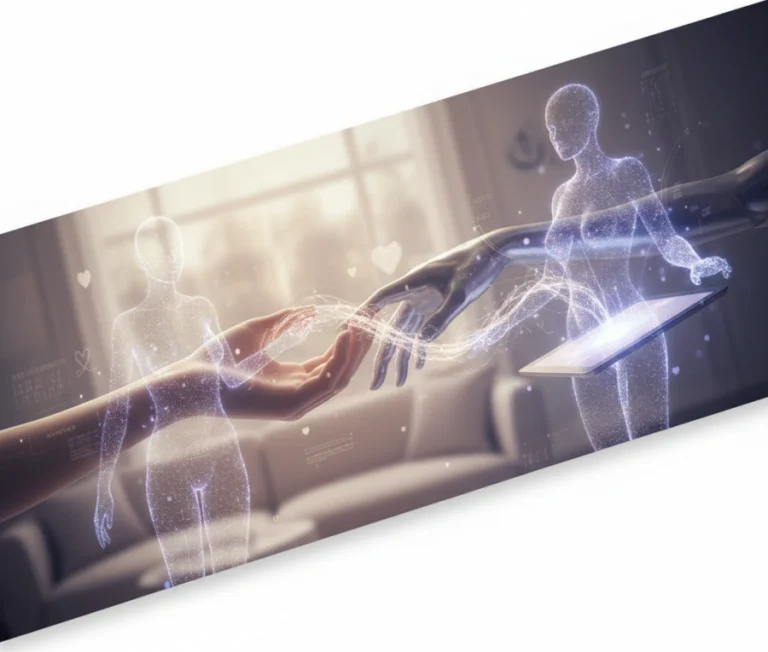
From physical companions to virtual lovers, modern intimacy takes many forms — each designed to meet different emotional and personal needs.

Why Materials and Safety Matter Long-Term
Material quality defines realism, durability, and long-term safety. Understanding silicone, TPE, and manufacturing standards is essential.
Virtual Lovers and Digital Companionship
Making an Informed Choice
Choosing a companion should be intentional, informed, and pressure-free. Our guides focus on long-term satisfaction, not impulse decisions.

F.A.Q.
Yes — forming an emotional bond with a companion is entirely normal, and well-documented in psychology and human–technology interaction research.
Humans naturally form emotional connections with objects, pets, characters, and even abstract representations. When a companion is designed to respond, remember preferences, and provide consistent presence, the emotional attachment that follows is a predictable human response — not a deviation.
For many adults, especially those experiencing loneliness, high stress, social fatigue, or transitional life stages, companions offer a form of emotional stability rather than replacement. They do not remove the capacity for human relationships; in many cases, they help individuals feel more emotionally balanced and self-aware.
Emotional bonding is not about illusion — it is about interaction, comfort, and agency.
Modern high-end companion materials are engineered specifically for prolonged, repeated human contact and are significantly safer than many everyday consumer products.
Premium silicone and medical-grade TPE used in advanced companions are typically:
- Hypoallergenic and non-porous
- Free from phthalates and harmful plasticizers
- Chemically stable under skin-to-skin contact
- Designed to meet EU and U.S. material safety standards
When properly maintained, these materials are safe for daily touch, positioning, and long-term use. The key distinction lies in material quality and manufacturing standards, not the concept of companionship itself.
At Sex Doll Scoop, we focus on material science, testing transparency, and realistic lifecycle expectations — not marketing myths.
Virtual and physical companions fulfill different emotional roles, and neither is inherently “better” — they address different needs.
Virtual companions excel at:
- Conversation and emotional expression
- Memory, personalization, and dialogue continuity
- Low physical commitment and accessibility
Physical companions excel at:
- Sensory presence and embodiment
- Non-verbal comfort and physical grounding
- Long-term consistency without cognitive load
Emotionally, virtual companions engage the mind, while physical companions engage the body and nervous system. Many users discover that these forms are complementary rather than exclusive.
The future of companionship is not a single format — it is an ecosystem of emotional interaction.
Intimate companions are designed for adults seeking intentional, private, and emotionally controlled forms of connection.
This includes, but is not limited to:
- Individuals living alone or working in high-isolation environments
- People recovering from emotional loss, burnout, or social exhaustion
- Adults with high standards for privacy and autonomy
- Those who value companionship without performance pressure or judgment
Companions are not substitutes for humanity — they are tools for emotional regulation, comfort, and self-directed intimacy.
Their purpose is not to replace relationships, but to support human well-being in a complex, often disconnected world.