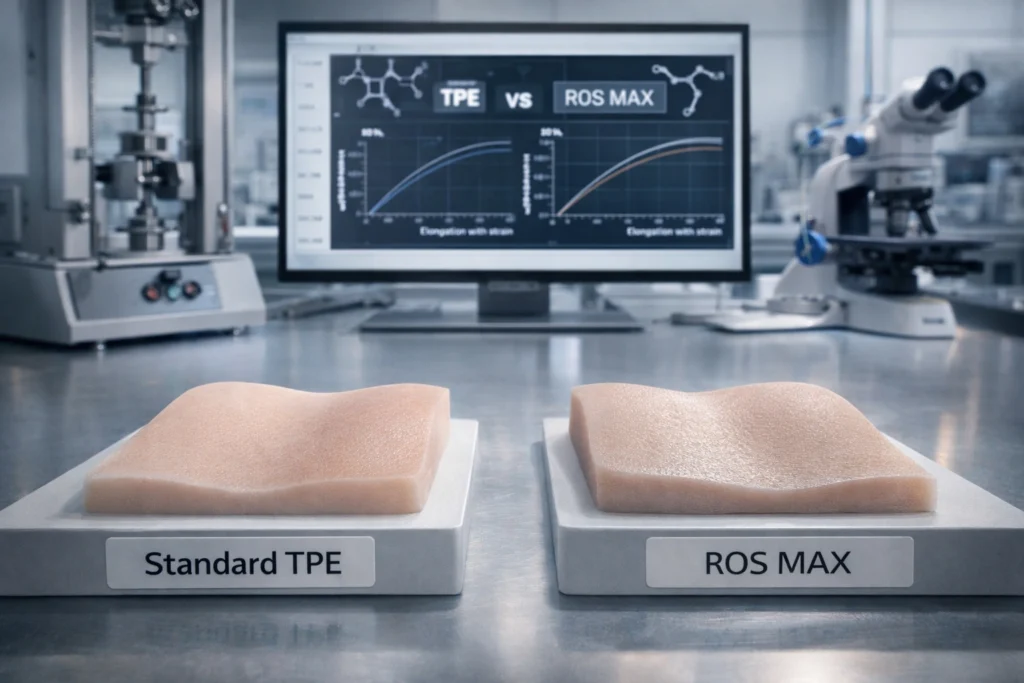
Companion Materials & Human Safety

How materials shape realism, longevity, and safe long-term contact.

Why Materials Matter

Material selection defines how a companion feels, ages, and interacts with the human body. Beyond surface realism, materials influence hygiene, chemical stability, and long-term safety. Understanding these factors helps users avoid short-term decisions that lead to long-term issues.

Tactile Experience

Material determines texture,
softness, and overall feel

Chemical Safety

Stability ensures safe, non-reactive
contact with skin

Longevity

Quality materials resist degradation over time
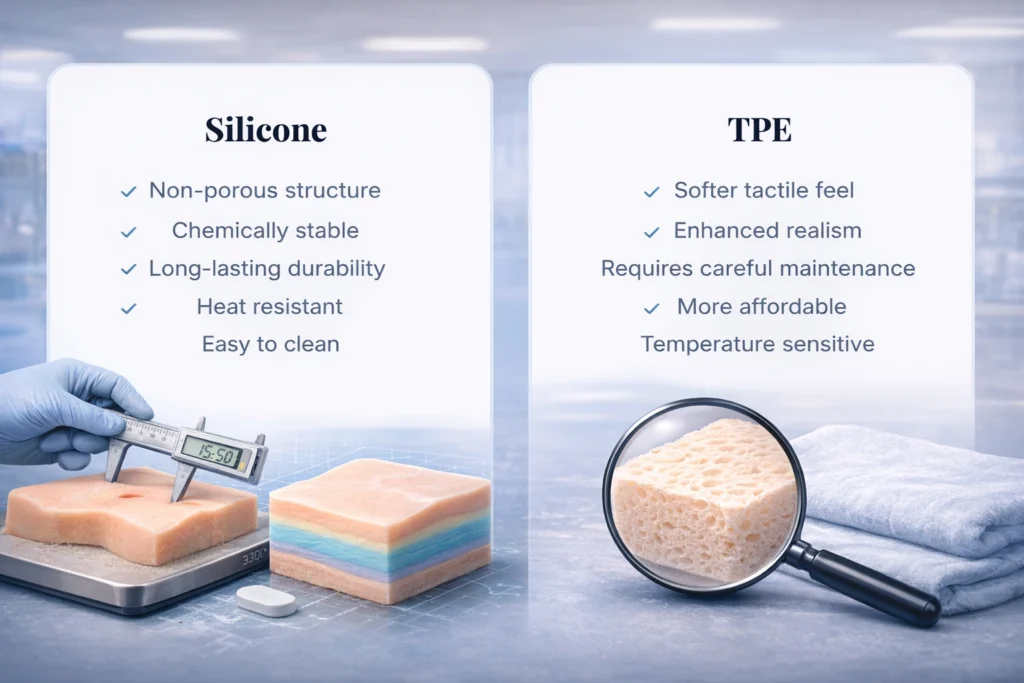
Responsible manufacturers provide documentation related to material testing, chemical compliance, and safety standards. In EU markets, REACH conformity and transparent material reports are especially important indicators of quality.

Look for certifications that verify the absence of harmful substances such as phthalates, heavy metals, and volatile organic compounds. Third-party testing and transparent sourcing build consumer confidence and ensure regulatory compliance.

Certifications & Compliance

Long-Term Care & Maintenance

Proper cleaning, storage, and inspection routines significantly extend material lifespan. Long-term ownership depends less on material type and more on consistent, informed care practices.

Regular maintenance includes gentle cleaning with appropriate products, proper drying, climate-controlled storage, and periodic inspection for wear or damage. These practices preserve material integrity and ensure continued safety.

Claims such as “indestructible,” “maintenance-free,” or “permanent softness” rarely reflect material science realities. We focus on evidence-based expectations, not exaggerated promises.

All materials degrade over time. No product is truly maintenance-free. Realistic expectations based on scientific understanding lead to better purchasing decisions and more satisfying long-term ownership experiences.

Marketing Myths vs Material Science

Scroll to Top